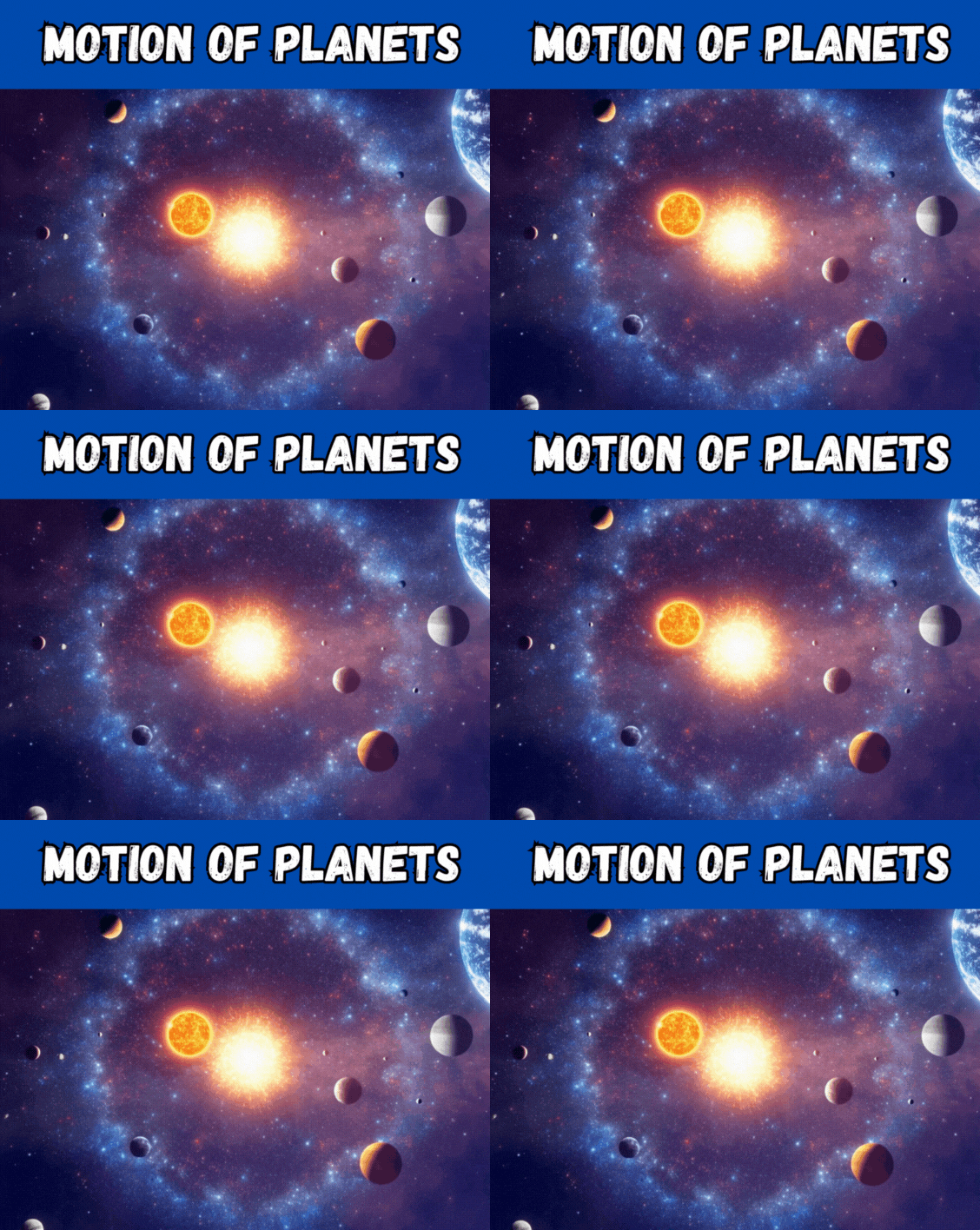
Gravitational force is always attractive in nature. It does not depend on the medium between the objects and acts over very large distances. Because of this force, planets revolve around the sun, the moon revolves around the earth, and objects fall toward the surface of the earth.
The universal gravitational constant G has the same value everywhere in the universe. Its small numerical value explains why gravitational force is very weak compared to other fundamental forces such as electric or magnetic forces, yet it becomes significant when large masses are involved.
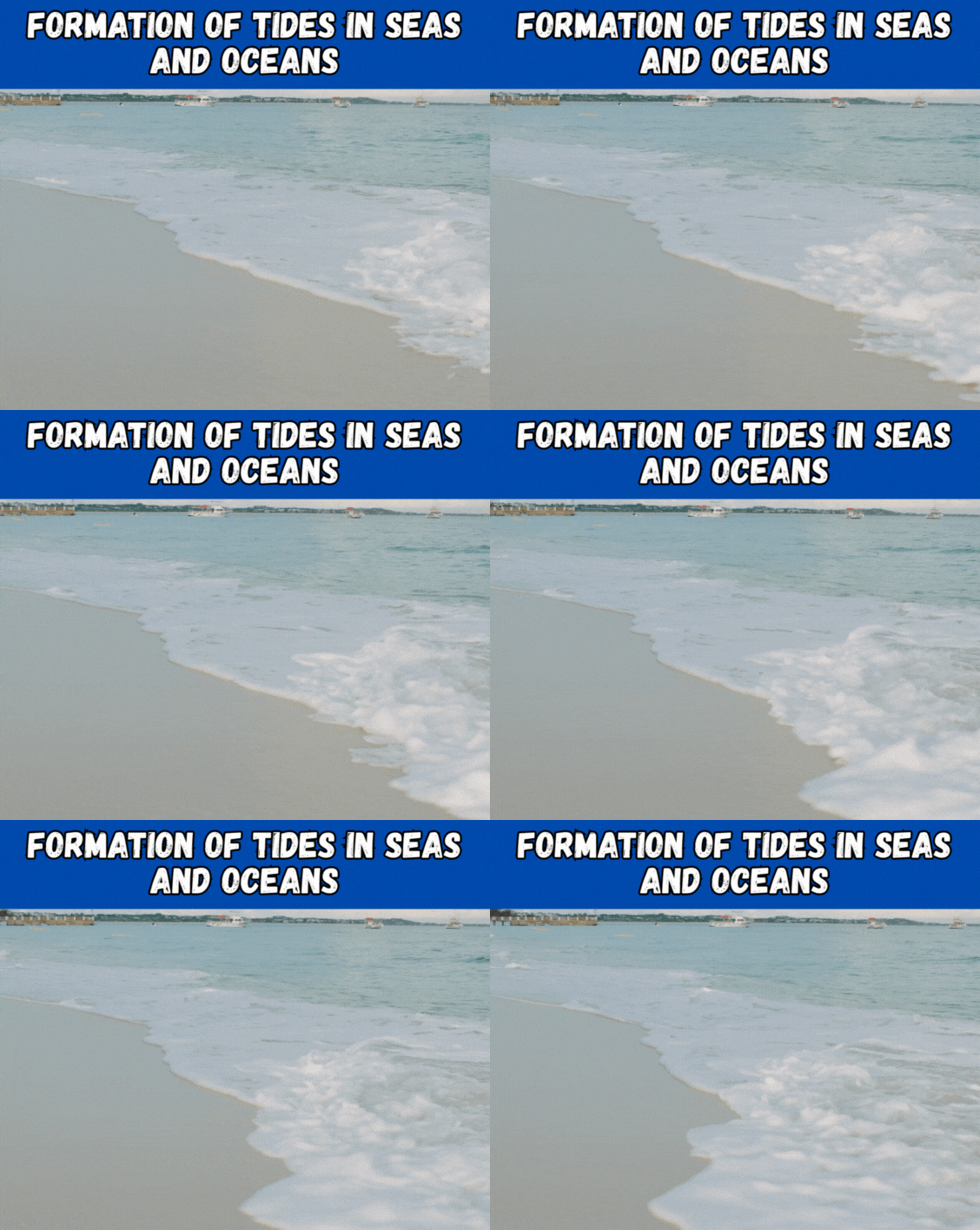
The law of gravitation explains several natural phenomena. It accounts for the motion of planets and satellites, the formation of tides in seas and oceans, and the falling of objects toward the earth. It also helps in determining the mass of the earth and other celestial bodies.